The Conversation Before the Cut: A Youth Coach's Playbook for Roster Decisions That Respect Kids
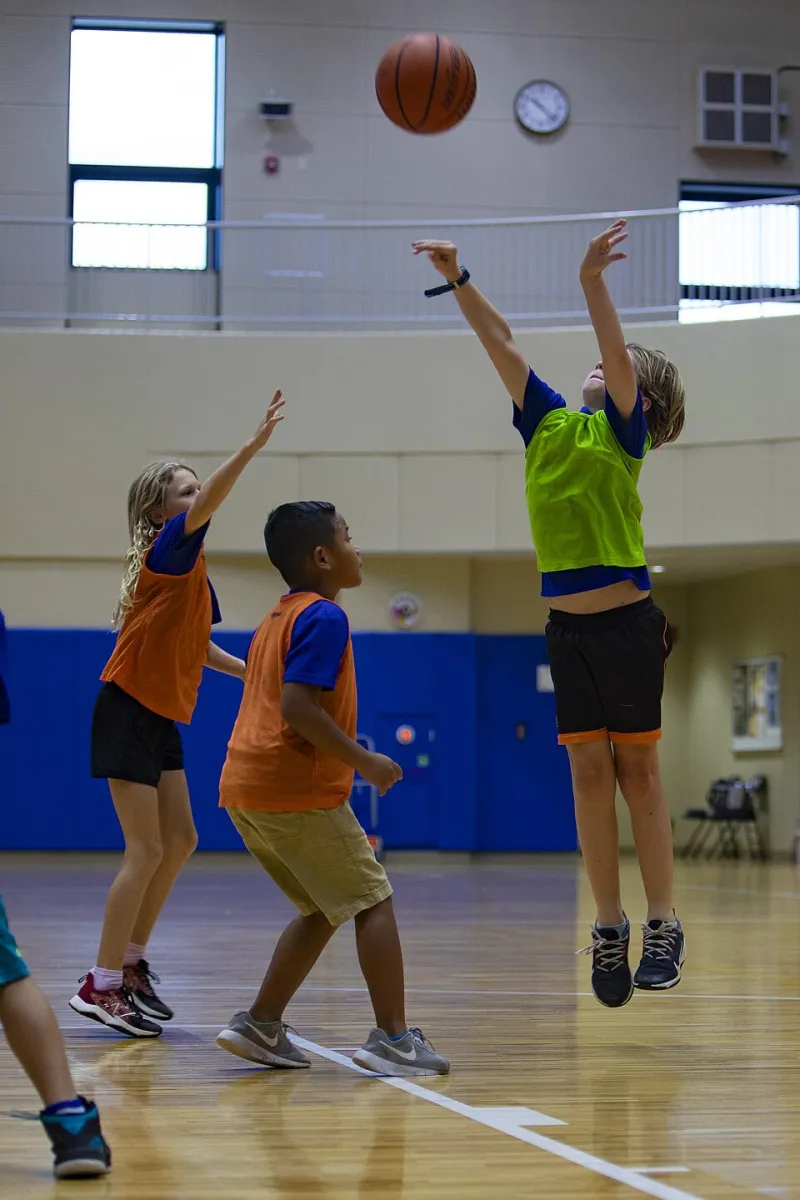
Photo: U.S. Marine Corps photo by Lance Cpl. Dahkareo Pritchett, Public domain, via Wikimedia Commons
Cut day in youth basketball is rarely just one day. It is a series of quiet conversations, group chats, parent texts, and kids trying to read the room. A coach can handle that week with honesty and care, or they can let the gym parking lot do the communicating. The second option is easier in the moment and worse for everyone later.
The goal is not to make cuts painless. Some disappointment is part of competitive sports. The goal is to make the process clear, private, and respectful. Kids can handle a hard truth delivered well. What they struggle with is confusion, public embarrassment, and the feeling that they were not seen.
Decide the Criteria Before the Gym Gets Loud
Before tryouts, write down what you are actually selecting for. Skill matters, but so do age, positional fit, safety, coachability, attendance, and team chemistry. If you are running a rec league team, the criteria may be different than a travel ball roster. That is fine. What is not fine is changing the criteria after the final scrimmage because a parent called.
Share a short version of the criteria with families before tryouts. You do not need to publish a rubric. You do need to say what the team is looking for and how many roster spots are available. That one step prevents a lot of heartburn later.
Timing: Private, Prompt, and Ahead of the Group Chat
Do not post a cut list. Do not announce roster decisions in a group chat and let kids figure out who is missing. Do not wait a week. If possible, tell every player within 24 to 48 hours of the final evaluation. The kids who are not selected should hear it from a coach before they hear it from a friend or a social media post.
For younger age groups, call the parent first and then speak with the kid if the family wants that. For middle school and high school players, talk to the player directly with a parent looped in afterward. Either way, keep it private. A hallway conversation is not a private conversation.
The Private Conversation Template
Keep it short, specific, and human. You can say: Thanks for coming out this week. We had a certain number of spots and a lot of players. This year's team is not the right fit for you right now. This is about roster fit and numbers, not your worth as a player or a person. Here are two things you did well in tryouts. Here is one thing to work on. Here is a path to keep developing with us.
That last line matters. If there is a development squad, a spring clinic, a practice-player role, or a waitlist, say so clearly. If there is no path, do not invent one. Kids can tell when an adult is padding the truth.
For the Kids Who Make It
Do not spend all your energy on the cut list and forget the kids who made it. A roster spot is not a finish line. Tell selected players what earned them the spot and what the next step is. A short message works: You made the team because of your defense and your energy. We need you to keep working on your left hand and your communication.
This also sets the tone for the families. When coaches explain selection honestly, parents are less likely to assume politics. They may still disagree, but they at least know the standard.
The Parent Follow-Up
Some parents will want to talk. That is reasonable. Offer a short call window and keep the conversation focused on development. A template: Thanks for reaching out. I know this is disappointing. I am happy to talk for 10 minutes about what we saw and what can help your player next. I am not going to debate individual roster spots, but I will be specific about the feedback.
Hold that boundary. Do not get pulled into comparing one kid to another. Do not share another player's evaluation. If a parent becomes abusive, end the call and loop in your league director. You are a coach, not a punching bag.
Why Public Cut Lists Backfire
Public cut lists feel efficient. They are not. They turn a private disappointment into a public ranking. They invite screenshots, gossip, and hurt feelings that last longer than the season. They also teach kids that roster decisions are something to be ashamed of rather than a normal part of competitive sports.
If your league requires a public announcement, announce the team, not the cuts. Post the selected roster once every player has been contacted. That is enough.
Alternatives That Still Set Expectations
Not every kid who is not on the top team should be sent away with a pat on the back. Build real alternatives. A development team with a defined practice schedule. A skills clinic with a clear focus. A practice-player role with limited game opportunities and written expectations. A waitlist with a date when families will hear back. A feedback card with two strengths and one development priority.
These options only work if they are honest. A practice-player role is not a consolation prize if the kid never practices. A waitlist is not a waitlist if you already know the answer. Say what you mean.
Let the Kid Have Some Agency
After the private conversation, ask the player if they want to tell their friends or if they want you to handle it. Give them a little control over the story. Some kids want to process privately. Some want to talk to their teammates. Both are okay. The key is that they are not blindsided in a group chat.
Write It Down
Keep a simple record of your evaluations, the criteria you used, and who was in the room. This protects kids from inconsistent decisions and protects coaches from rumors. It also makes next season easier. You can look back and see what a player improved on and what still needs work.
Cut day does not have to be cruel. It can be clear, private, and developmentally useful. The kids who are not selected will remember how they were told. The kids who are selected will remember what the standard is. Both lessons matter.