Picking Sides Without Picking Fights: Inside the Youth Rec Draft That Happens After Bedtime
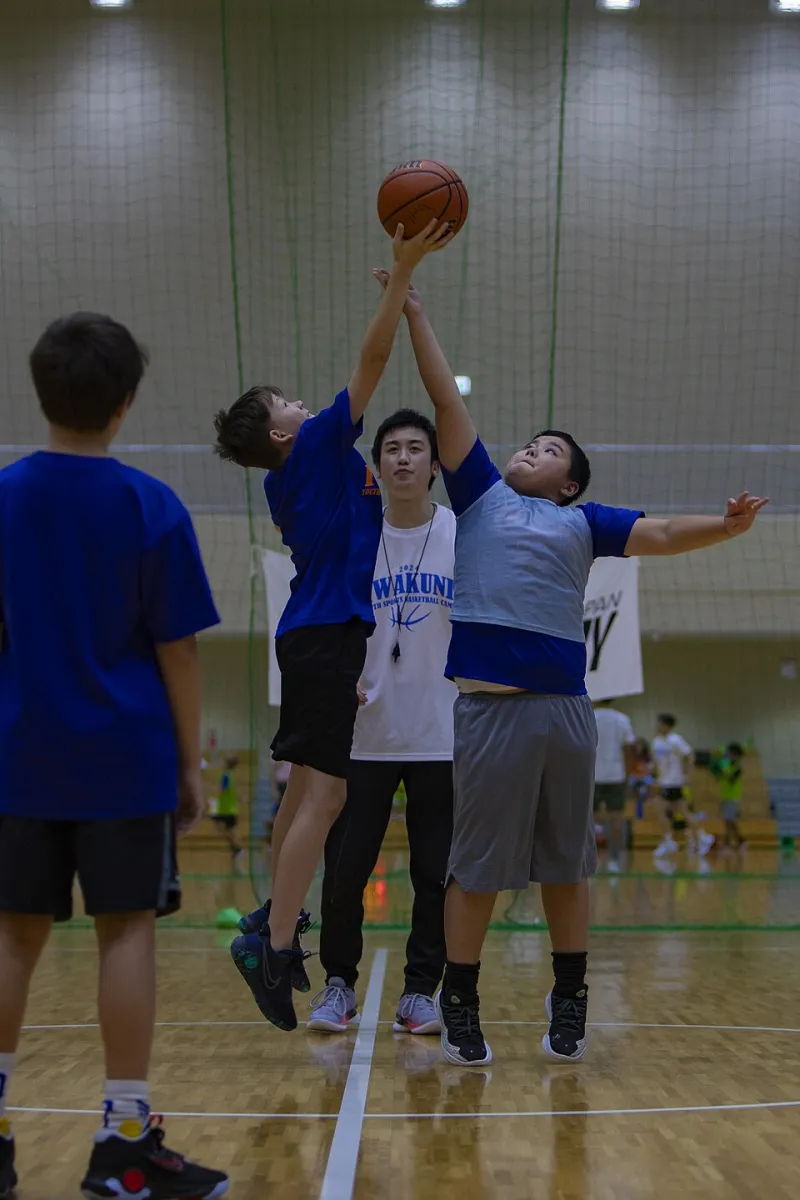
Photo: U.S. Marine Corps photo by Lance Cpl. Dahkareo Pritchett, Public domain, via Wikimedia Commons
The gym is empty. The fifth-graders are asleep. The group chat has finally stopped buzzing. And somewhere in a suburban kitchen, a volunteer coach is spreading index cards across the table like a card dealer who never wanted the job.
This is the youth rec draft. Not the made-for-TV version with scouts in the balcony, but the real one: a laptop, a spreadsheet, a few printed evaluation sheets, and a half-eaten plate of leftovers. In 2026, most community leagues still build teams this way because most community leagues do not have a scouting department, a salary cap, or a combine. They have parents who volunteered, kids who want to play, and a deadline before the first practice.
That imperfect process is worth understanding, especially for families who have ever looked at another roster and muttered, “Of course they ended up together.” The stacked team is usually less sinister than it looks. But the draft is also not magic. It is a series of choices, and the leagues that make those choices transparent tend to have fewer headaches by January.
The Evaluation Clinic Is Not a Tryout
Most rec leagues run some kind of evaluation session before the draft. It might be a 45-minute skills circuit at the local parks and rec gym, a Saturday morning at the YMCA, or a church-league workout that feels more like a fire drill than a basketball camp. Coaches watch kids dribble, pass, shoot, and move in small groups. They take notes. They do not, or should not, treat it like an audition for a travel team.
The best evaluations are simple. Can the player catch the ball? Do they listen when the station changes? How do they react when they miss? Do they know where to stand? A coach can learn a lot in ten minutes without turning a third-grader into a scouting report. The goal is not to rank every child from one to sixty. The goal is to create rough tiers so the draft does not become a talent avalanche in one direction.
That is also where parents can help without realizing it. Arrive early. Let the kid warm up. Do not coach from the bleachers during a station drill. The evaluation is not a verdict on your family; it is a coach trying to avoid a season where one team wins every game by thirty and another team spends eight weeks learning how to inbound the ball.
Parent Requests Are Data, Not Demands
Every rec league collects them: carpool requests, sibling requests, “please put him with his friend” notes, and the occasional plea to avoid a specific coach. Some requests are practical. A single parent working two jobs needs one gym run, not three. A family with two kids in different age groups needs a schedule that does not require cloning. Those requests matter.
Other requests are more complicated. A parent may want a child with a certain friend because the child is nervous. A coach may want to keep a neighborhood group together because it makes practices easier. None of that is automatically wrong. The problem starts when requests pile up into a de facto superteam. A league that grants every friendship request and every returning-player hold can accidentally create the very imbalance it claims to prevent.
A workable rule is to treat requests as information, not instructions. Leagues can ask families to submit one priority request and explain the logistics behind it. Coaches can honor as many as possible without promising all of them. The process should be consistent enough that families know the league is not quietly sliding a fourth all-star onto a roster because someone knows someone.
Returning-Player Politics and the Quiet Advantage
Returning players are the third rail of rec basketball. Coaches get attached. Kids get comfortable. Parents start planning carpools in September for a season that begins in December. Then the draft happens, and a returning player lands elsewhere. Feelings get hurt.
There is nothing wrong with continuity. A coach who has taught a group of kids for two years has real knowledge about them. But continuity can become a quiet advantage if it hardens into automatic retention. The same core group stays together, the same plays get run, and the same team wins the regular-season title while new kids spend the season figuring out where to stand.
A fairer approach is to limit protected returning players per team and require coaches to justify them in writing. Not a novel, just a sentence: “Returning point guard; sibling in same age group; carpool with two other families.” That keeps the process human without letting it become hereditary. It also gives league directors a paper trail when a parent asks why a roster looks the way it does.
A Fairness Framework That Fits on One Page
No draft is perfect, but a rec league can get most of the way there with a simple framework that coaches and parents can actually understand.
First, evaluate in tiers, not exact rankings. Group players into broad bands based on skill, size, and experience. Exact rankings invite arguments over the difference between the twenty-second and twenty-third best player in a league where nobody is actually keeping a national ranking.
Second, use a snake draft. If Team A picks first, Team A picks last in the next round. It is not revolutionary, but it spreads talent better than letting the same coach pick early every time because he has been in the league since 2014.
Third, cap protected players. Two or three returning players per team is usually enough to preserve some continuity without freezing the league in place. The cap should be published before evaluations, not negotiated after the rosters are half-built.
Fourth, balance positions. A team with five guards and no one who wants to play the paint is not balanced, even if the tier totals look even. Coaches should note approximate positions and defensive assignments, then adjust.
Fifth, write down the process and share it. Families do not need to see every child’s evaluation card. They do need to know how many requests are honored, how returning players are handled, and what happens when a roster is challenged. Transparency does not eliminate disappointment, but it removes the mystery.
Why the Stacked Team Is Usually a Myth
Here is the part parents rarely see: the team that looks stacked in November often looks ordinary by February. Kids grow. Kids quit. A family moves. A point guard breaks a wrist. A coach who seemed perfect turns out to be a yeller, or a parent who seemed overbearing turns out to be the only one who brings oranges. Youth basketball is a small sample size with a lot of variables.
There is also memory bias. We remember the team that won the championship and assume it was assembled by conspiracy. We forget the year that same coach’s team went 4-6 because the tallest kid had never played organized basketball. We forget the draft where the league’s best player went to the last-place team because of a sibling request. Rec leagues are not rigged so much as improvised.
That does not mean leagues should shrug off legitimate concerns. If one roster has three of the top five players and two more above-average returners, the director should review it. If the same coach keeps landing the same assistant coach’s kid, the league should ask why. Fairness is not a feeling; it is a process that gets audited now and then.
The Draft Is a Promise, Not a Verdict
The kitchen-table draft will never be clean. Somebody will be disappointed. A coach will second-guess a pick. A parent will see a roster and feel a familiar knot in the stomach. That is rec basketball.
But the draft is also a promise: every kid gets a team, every team gets a coach, and the league will try to make the season worth showing up for. The best leagues do not pretend the process is perfect. They explain it, limit the obvious advantages, and leave room for a kid who was picked last to become the reason everyone stays until the final buzzer.
So the next time you see a roster that looks suspiciously strong, remember the kitchen table. Somebody stayed up late trying to make the math work. The least we can do is ask how the math was done.