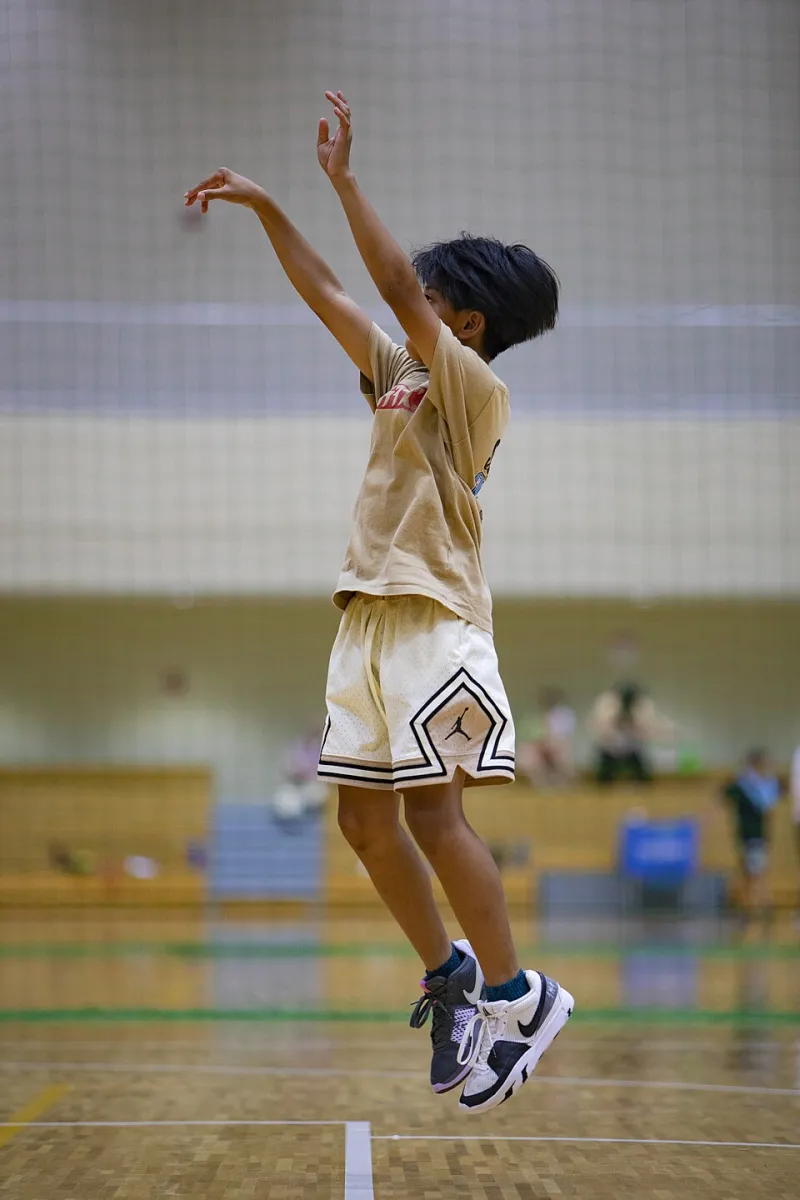
Court Squeeze 2026: How Youth Hoops Programs Can Win Gym Time Without Starting a Turf War

Photo by Photo by Alex Saks on Unsplash on Unsplash
Walk into almost any community rec center in the US this winter and you will see the new geometry of local sports. Basketball hoops on one wall. Pickleball tape on the floor. A volleyball net waiting in a sleeve. A sign-up sheet for adult leagues taped to the front desk. In 2026, youth basketball is not just competing with other youth sports. It is competing with pickleball, adult recreation, fitness classes, school events, and a building budget that has to balance.
That does not mean youth hoops is losing everywhere. It means gym time is now a negotiation, not an assumption. Families and coaches who understand how the schedule gets built can make a better case. Families who only show up angry in November, after the slots are already gone, usually get the worst times and the longest wait.
The New Gym Arithmetic
Rec centers are not trying to ruin youth basketball. They are trying to keep the lights on. Pickleball brought a wave of new users who are often older, willing to pay, and happy to play at off-peak hours. Adult basketball and volleyball leagues bring reliable revenue. School districts have their own calendars, security rules, and facility fees. A parks and rec department may manage dozens of buildings with limited staff.
That makes the gym calendar a budget document. Every prime-time block given to a youth league is a block not rented to an adult group. Every weekend tournament is a weekend the building cannot host a community event. Youth programs still matter, but they have to make their value visible. The old argument that kids deserve the gym is true and not enough on its own. The stronger argument is that kids are part of the community the building exists to serve.
How the Schedule Actually Gets Built
Most gym schedules are set months before the season starts. School districts often approve facility use in the spring for the following school year. Parks and rec departments may open permit requests in late summer. Travel leagues, rec leagues, church leagues, and adult groups all jockey for the same blocks. By the time parents see a practice schedule, the big decisions are usually finished.
That is why the first move is not a complaint. It is a calendar question. Ask when permits are reviewed, who approves them, and what criteria are used. Ask whether youth programs have a priority tier. Ask how conflicts are resolved when a school building closes for a concert or a storm. A league that knows the process can plan for it. A league that does not knows only how to react.
What Leagues Can Negotiate
There is more room at the table than many volunteers realize. A youth league can ask for a multi-season agreement instead of a one-off rental. It can accept some off-peak slots in exchange for guaranteed prime-time blocks. It can offer to share a split gym with pickleball or volleyball on certain nights. It can provide volunteer game-day staff, clean up after practices, or run a free clinic for the rec center's family event.
Leagues can also bring data. How many kids are registered? How many families live in the district? How many volunteer hours does the league contribute? What happens to local families if the program shrinks? Rec boards respond to participation numbers and community stories, especially when those numbers are presented calmly and in advance.
One practical ask is a pilot schedule. Instead of demanding the entire Friday night block, propose a six-week trial: youth basketball gets two weeknight slots, the league keeps the gym clean, and both sides review attendance and feedback. A pilot lowers the risk for the building and gives the league real evidence for the next permit cycle.
The Parent and Coach Playbook
Parents and coaches can help without turning every board meeting into a shouting match. First, find the decision-makers and the timeline. Second, gather a few facts: registration numbers, practice needs, and the specific times that actually work for families. Third, bring a solution, not just a complaint. Fourth, be reliable. A league that leaves the gym messy or lets parents wander into restricted areas gives the building a reason to say no next time.
Social media pile-ons rarely help. A post that calls the rec center greedy may get likes, but it also makes staff defensive. A short, civil email with a proposed schedule and a offer to meet is boring and effective. That is the trade most volunteers should make.
When to Push Back
There are times to push. If youth basketball loses every prime-time slot to adult rentals, if shared court space becomes unsafe, or if the permit process is not transparent, families should ask questions publicly and politely. Ask for the criteria. Ask for the rental numbers. Ask whether youth programs were included in the planning conversation. Transparency is a fair request.
But keep the frame on kids and community, not on basketball versus pickleball. A turf war makes for a good meeting clip and a bad schedule. The goal is not to run another sport out of the building. The goal is to make sure young players have a fair, predictable place to play.
The Long Game
Gym time in 2026 is a relationship business. Leagues that build trust with rec staff, show up to budget meetings, and propose workable solutions will have a better shot than leagues that only appear when they are angry. Courts are concrete. Relationships are not. The programs that treat the gym as a shared community asset usually find a way to get on the floor.