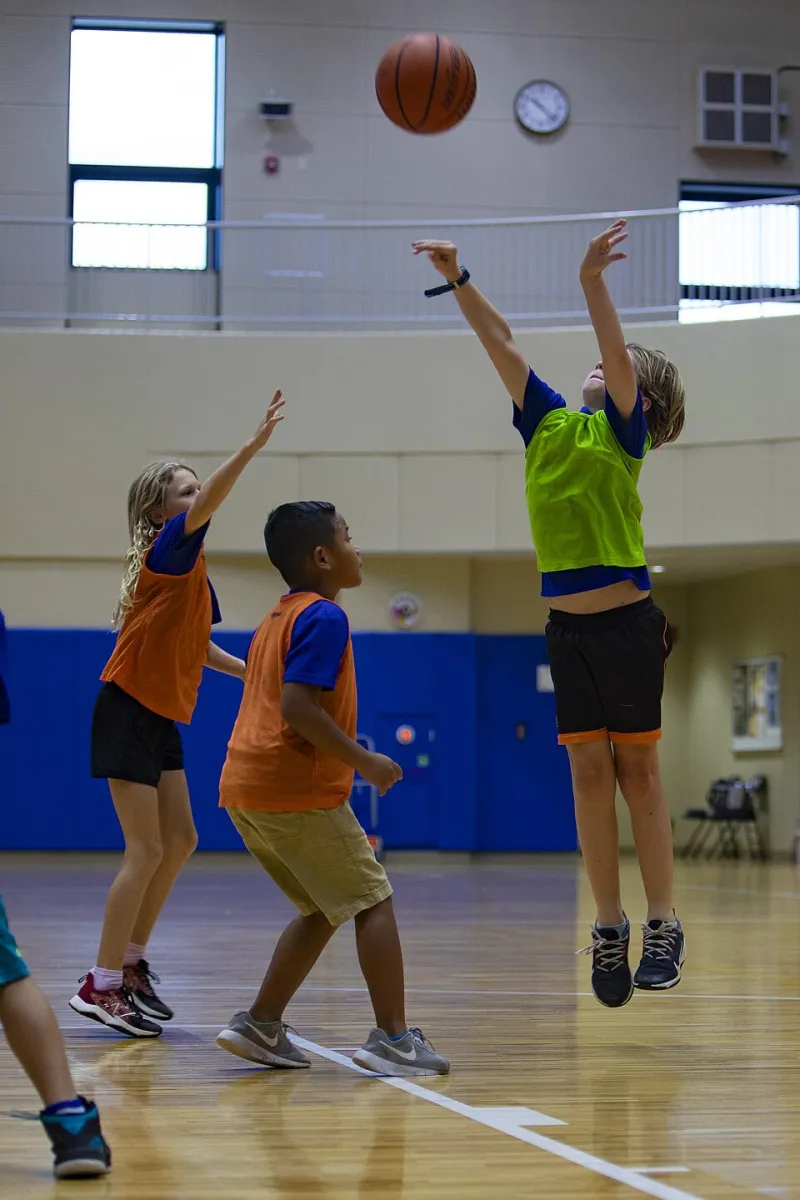
Both Hands, No Excuses: A 15-Minute Weak-Hand Circuit That Fits Any Youth Practice

Photo by Photo by Meg Jenson on Unsplash on Unsplash
Every youth practice has a clock problem. You have 60 to 90 minutes, a gym that may be shared, and a roster of kids who need different things. Weak-hand development often gets pushed to the end of the plan, right after free throws and before parents start stacking chairs. Then it gets skipped. The result is predictable: by middle school, a lot of players can only finish on one side, only pass with one hand, and only dribble away from pressure in one direction. The fix does not require a separate workout. It requires a small, repeatable block that shows up every week.
The Habit Forms Quietly
Kids do not decide to become one-handed. They become one-handed because the strong side works. A right-handed player dribbles right, drives right, and finishes right because that path feels easier in the moment. Coaches reinforce it by running drills that naturally favor the dominant side. Parents reinforce it by praising the smooth finish and not noticing the awkward one. By the time a player reaches competitive youth basketball, the weak hand can feel like a foreign object.
The goal of this circuit is not to make every kid ambidextrous by February. The goal is to make the other hand feel ordinary. That means regular reps, low pressure, and small wins. Fifteen minutes once or twice a week is enough to create a habit if the reps are organized and the tone is right.
Build the 15-Minute Circuit
Use three stations, five minutes each. Groups of three to five players work best. A coach or parent volunteer can run each station, but you can also let older players lead with a simple cue card. Rotate on a whistle. Keep the transitions quick and the lines short.
Station 1: Other-Hand Control
Players spend five minutes dribbling only with their non-dominant hand. Start with a low pound dribble in place. Add a walk across the gym. Then add a push-pull dribble and a simple side-to-side move. The cues are simple: hand on top of the ball, elbow bent, eyes up, off arm up to protect. Do not let players stare at the ball. If they lose control, they reset and go again.
For younger players, use a smaller ball if it helps. For older players, add a guided defender who only puts a hand near the ball. The defender does not steal. The defender just makes the dribbler keep their eyes up and their body between the ball and the pressure.
Station 2: Other-Side Finishes
This station is about layups and close finishes from the weak side. Start with form layups without a dribble. Then add one dribble from the wing. Then add a catch and finish from a passer. Keep the focus on footwork and touch. The weak-side layup should be a normal layup, not a circus shot.
For ages 6 to 8, let players use two feet on the gather if they need it. For ages 9 to 11, add a guided closeout. For ages 12 and up, add a live defender at half speed. The rule is simple: if the finish looks wild, slow it down. Clean reps beat fast reps.
Station 3: Other-Hand Passing
Passing is where the weak hand gets exposed in games. A player who can only push the ball with one hand becomes a predictable passer. At this station, players make wall passes, partner passes, and simple pass-and-cut reps with the weak hand. Emphasize stepping into the pass and pushing the ball with the palm and fingers. Keep the passes crisp but controlled.
Add a small decision: passer starts with the ball, partner cuts, passer delivers with the weak hand. Then switch. This teaches the hand to be useful, not just busy.
Make It Feel Normal, Not Remedial
The fastest way to kill this circuit is to make it feel like punishment. Do not call players over by saying they need extra work. Do not announce that the weak hand is a problem. Just build the station into the practice plan like shooting or defense. Use the phrase other hand more than weak hand.
Small games help. Try other-hand keep-away in a small square. Play a relay where every player must dribble back with the other hand. Run a mirror drill where partners copy each other's other-hand moves. Keep score as a team goal, not an individual ranking. The message is that both hands are part of the job.
Age-Appropriate Progressions
With 6- to 8-year-olds, keep it playful. Use smaller balls, shorter lines, and simple challenges. The win is confidence, not perfect form. With 9- to 11-year-olds, add light pressure and ask for eyes up. With 12- to 14-year-olds, add decision-making: finish against a closeout, pass out of a trap, dribble away from a defender. The circuit stays the same. The pressure changes.
Coach Cues That Actually Stick
Use short cues. Hand on top. Eyes up. Elbow bent. Off arm up. Knee up on the finish. Step and push on the pass. Repeat the same three cues for a month. Players do not need a lecture. They need a phrase they can hear in their head when the ball is bouncing.
Keep It Light and Keep It Going
The biggest mistake is turning weak-hand work into a one-time clinic. Do it for 15 minutes every week. Track a simple team goal, like total clean other-hand finishes in a session. Celebrate progress quietly. Then move on to the rest of practice. The players who get comfortable with both hands early will have more options later. That is the whole point.