The Kids at the End of the Bench Are Watching: A Coach's Guide to Building Depth Nobody Sees Coming
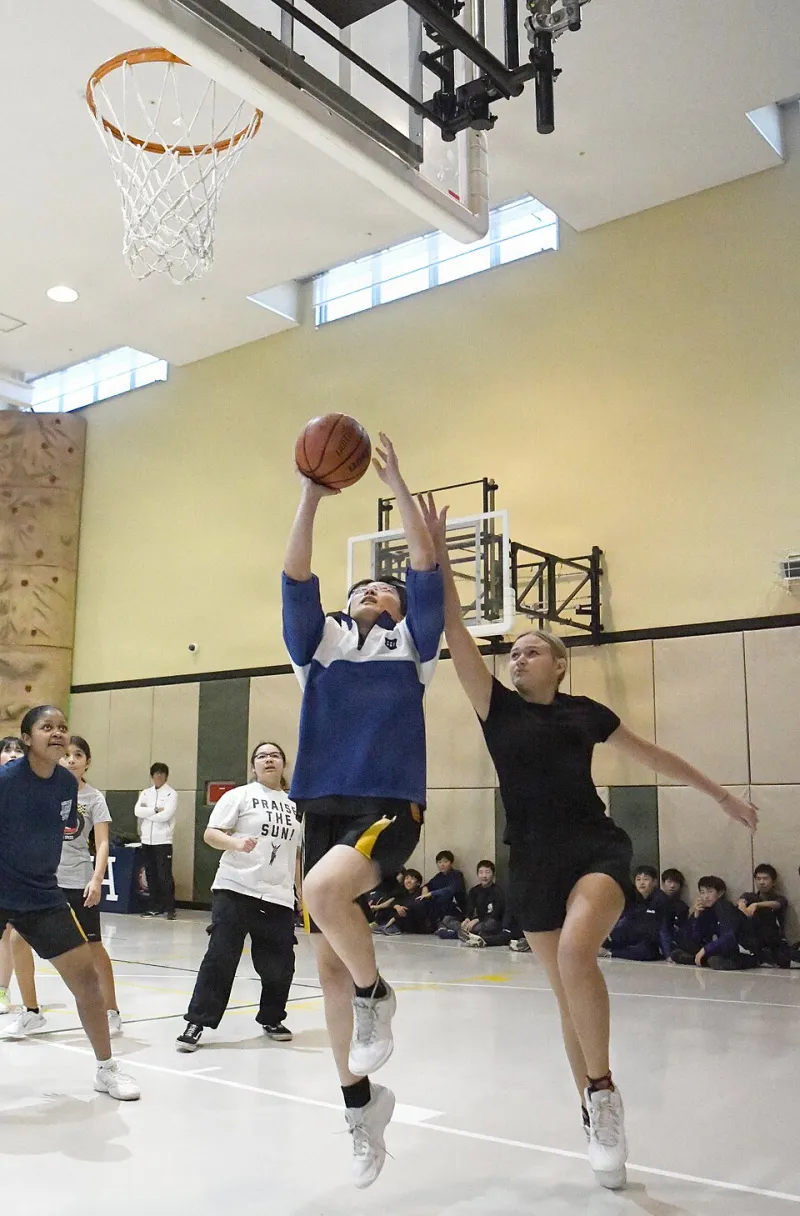
Photo: U.S. Army USAGJ by Dustin Perry, Public domain, via Wikimedia Commons
Every youth basketball coach knows the scene. Your squad is up twelve in the third quarter, and there they are — the last three kids on your roster, tracking the ball like hawks, waiting for the moment the scoreboard lets them in the game.
Here's the uncomfortable math: in a typical 8-player rec or AAU rotation, three or four kids are getting a fraction of the live reps everyone else gets. And if your season ends in March, those kids show up in November a full year behind — not because they lack talent, but because they lacked minutes.
The coaches who consistently rebuild winning teams year after year? They've stopped treating the bench as a parking spot. They treat it as a development lab. Here's how they do it.
Give Them a Job That's Actually Important
The fastest way to lose a benched kid is to let them be invisible. The fastest way to keep them locked in is to make them essential to the game plan.
Some of the best youth coaches in the country assign real roles to their deep rotation players:
- The opposition scout. Before every game, one player watches the other team's warmups and reports the best shooter, the quickest guard, and who favors their left hand. Suddenly that kid knows your opponent better than some of your starters do.
- The free-throw counter. They track opponent misses and shout "ice!" from the bench. It sounds small, but it builds habit-level focus and gives them a voice in the game.
- The energy captain. One designated player owns the bench — calling out screens, celebrating assists, keeping the noise up when the game gets tense.
These aren't consolation prizes. They're how a 6th grader learns to read a game without a whistle stopping play for them.
Structure Practice So the Back of the Roster Gets Real Reps
Roles keep kids engaged. Reps make them better. You need both.
The most common practice trap is the scrimmage where your top five always play together. The bottom of the roster never touches the ball in competitive situations, so when they finally do in a game, they're learning in real time at game speed.
Try these instead:
- Rotating scrimmage teams. Redraft the squads every practice so your weakest unit occasionally plays together against your strongest. They'll struggle, then they'll figure it out.
- Skill-specific stations with the deep roster first. Run ball-handling and finishing work while legs are fresh and attention is highest — don't save the fundamentals for the last ten minutes when your stars get their reps in.
- Pressure situations for everyone. End-of-practice free throws with a running lap on the line for the team's total. Every kid shoots. Every kid feels it.
A coach in suburban Atlanta we spoke to runs what he calls "dark horse quarters" — every practice scrimmage includes one quarter where the usual bench unit plays against the starters. His program hasn't had a losing season in six years.
Pair Your Veterans With Your Projects
Mentorship pairings might be the single highest-leverage move a youth coach can make, and almost nobody does it deliberately.
The idea is simple: assign your most experienced player to a younger or less-developed teammate. The vet demonstrates a move, the younger player mirrors it, and they check in with each other before practice about one specific thing — a crossover, a box-out, a defensive stance.
What surprises most coaches is what happens to the mentor. Kids who teach a skill retain it better themselves. Your senior guard suddenly sees the floor differently because she's explaining it to a seventh grader three times a week. You're not just developing the bench player — you're deepening your leader.
The culture dividend is real, too. When the returning starters have personal investments in the kids behind them, the whole roster plays connected basketball. Nobody floats. Nobody checks out.
Redefine What a 'Good Season' Means
Here's the hard part, especially for competitive AAU programs: if your definition of success is a trophy, the bench will always be an afterthought.
The coaches who build lasting programs measure different things. Did the kid who barely played in November run the offense confidently by March? Did your second unit hold serve when the starters were in foul trouble? Did the players at the end of the roster come back next season — and bring a friend?
That last one is the real test. Youth basketball in America has a retention problem, and kids quit when they feel like furniture. A player who felt seen, given real roles, real reps, and real relationships, comes back. And the ones who come back are the ones who fill out next year's rotation.
The Long Game
Every star on a varsity roster somewhere was once the last kid subbed into a rec league game. The difference between the ones who make it and the ones who drift away usually isn't talent — it's whether somebody coached them like they mattered when the minutes weren't there.
Your deepest players are watching everything: how you talk to them, whether you correct their footwork, whether you celebrate their bench energy like it counts. Coach the whole roster like the season depends on all of them, because next season, it will.