Between the Whistles: How to Read an AAU Tryout Weekend Without Getting Swept Up in It

The parking lot fills before the gym doors open. Minivans idle with the rear hatch up, kids tugging on sneakers, parents holding coffee and a printed schedule that already looks wrong. Inside, folding chairs scrape across tile, a cash-only snack table does steady business, and somebody’s little brother is dribbling a ball against the wall until an adult asks him to stop.
AAU tryout weekend can feel like the official start of the season, even though no games have been played. It is really a series of evaluations, conversations, and logistics puzzles. The basketball matters, sure. But so does everything happening between the whistles — and in the waiting room, the parking lot, and the group chat afterward.
The Lobby Is Loud. The Signals Are Quiet.
Tryout weekend is a great time to observe a club without staring at the scoreboard nobody is keeping. Does check-in have a system, or is it a clipboard and a prayer? Are coaches greeting kids by name? Do older players help younger ones find the right court? Is there a trainer or director overseeing the whole thing, or does it feel like five separate tryouts happening near each other?
Those details tell you a lot about how a program operates in February, not just how it looks on a flyer in September. A smooth tryout does not guarantee a perfect season, but chaos at check-in is at least worth noting.
Watch how coaches talk to kids during water breaks. Do they correct and teach, or just sort players into lines and whistle? Do evaluators take notes, or rely on memory? Are kids getting real reps, or standing around while a few favorites run the show?
And watch the players leaving the floor. Some look energized. Some look confused. Some look like they are trying to read an adult’s face for a verdict. That last part is worth paying attention to, because tryout weekend can make kids feel like they are auditioning for approval, not playing a game they love.
What to Watch When Your Kid Is on the Floor
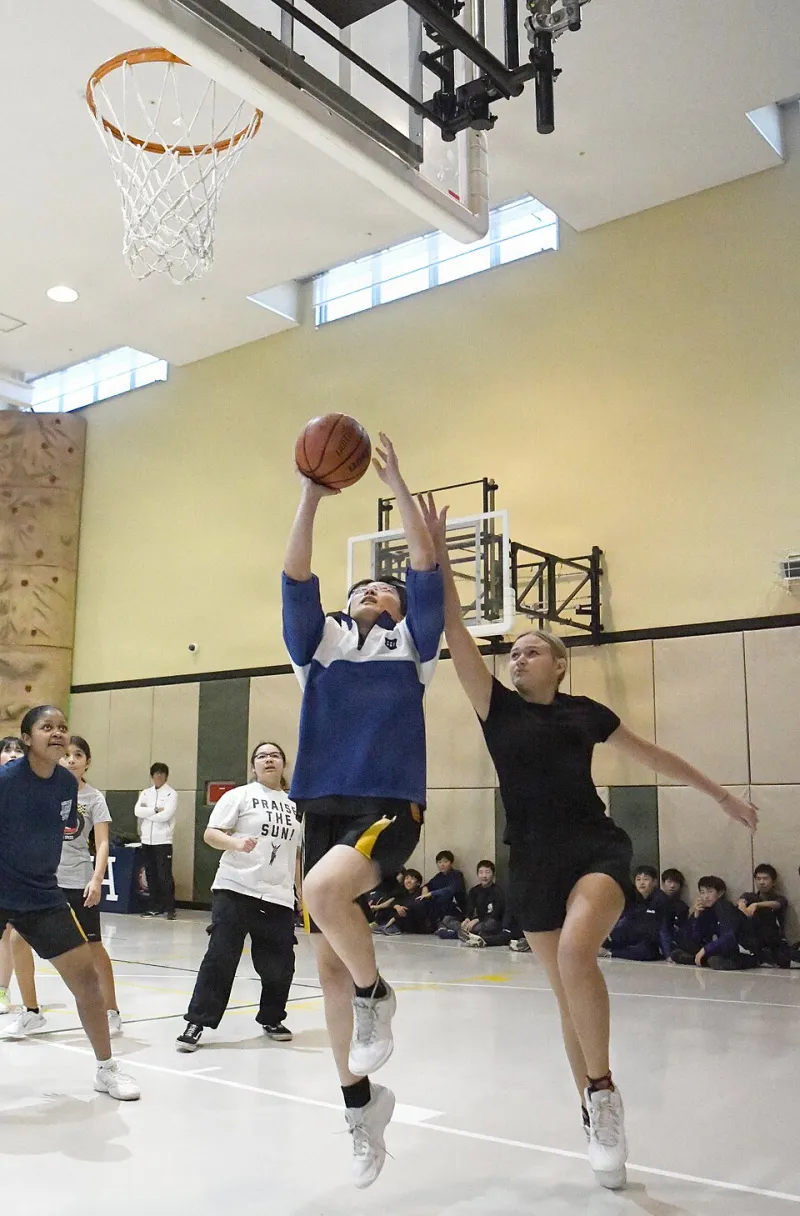
Parents naturally focus on whether their kid scores. At a tryout, that is only one data point. Look for effort that lasts past the first drill. Watch decision-making — does your child pass when doubled, communicate on defense, recover after a mistake? Notice whether the coaches are asking players to do things that fit their age and skill level.
Also watch the coaching. Are they teaching during the session, or only evaluating? Do they give feedback to more than the top few players? Do they run drills that let kids show different skills, or does everything funnel into one-on-one isolations?
You do not need to diagnose every possession from the bleachers. In fact, please do not. Sideline coaching during a tryout is a quick way to make a stressful weekend worse for your kid. Cheer positively, keep your phone down, and let the session breathe.
Questions Worth Asking — and Ones to Skip
After the session, you may get a few minutes with a coach or director. Use them well. Ask how many teams the club plans to carry at your child’s age group. Ask who coaches each team and what the practice schedule looks like. Ask how roster decisions are made and when families will hear back. Ask what the fee covers and what it does not. Ask how playing time is handled and how communication works during the season.
Those are fair, practical questions. They also signal that you are thinking about fit, not just tier.
Skip the lobby interrogation. Do not ask a coach to evaluate your child on the spot while other families are waiting. Do not ask who else is trying out or whether your kid is “on the A team.” And do not promise a coach that your child can play any position, any weekend, any time, if only they make the roster. Coaches have heard it before, and it rarely helps.
The Tier Talk
If your child is placed on a lower team than you hoped, take a breath before you react. A roster tier is not a permanent label. It is a placement for one season, with one group of coaches, in one program.
Ask what the development path looks like. Are there move-up opportunities? How many practices are there? What kind of minutes will your child get? A kid playing real minutes on a second team can grow more than a kid sitting at the end of a first-team bench. That is not a consolation prize. It is a legitimate basketball decision.
Be careful with the language you use around your child. “You got moved down” lands differently than “This team might be a better fit for what you need right now.” Kids take their cues from parents. If you treat the placement like a public verdict, they will too.
If the Answer Is No
Getting cut stings. It can sting for parents, too, especially after a weekend of gyms and schedules and hopes. Give your kid some space before turning it into a lesson. Ask how they felt. Ask what they want to do next. If it seems appropriate, email the coach later for feedback — calmly, briefly, and without relitigating every drill.
Do not debate the decision in the lobby. Do not post about it in a way your child will see and internalize. And do not treat one tryout as the final word on their basketball future. There are rec leagues, school teams, skill sessions, church leagues, and other clubs. The goal is to keep the kid playing if they still want to play.
The Status Trap
AAU tryout season can turn into a status contest fast. Parents compare schedules, team names, shoe brands, and Instagram posts. Kids overhear it. Pretty soon a 10-year-old is worried about which roster they made instead of whether they had fun at the gym.
Try to keep the weekend in perspective. Your child is not a draft prospect yet. They are a young player learning how to compete, handle nerves, and bounce back. The best tryout weekend is not the one that produces the flashiest roster news. It is the one where your kid leaves the gym still wanting to play.
A Better Scorecard
At the end of the weekend, grade the experience on more than the roster result. Did the club communicate clearly? Did the coaches seem organized and respectful? Did your child feel safe and challenged? Did the schedule make sense for your family? Did your kid want to go back?
Those questions matter more than the label on the team. The tryout waiting room is the real season opener because it sets the tone for everything after it. Bring snacks, bring water, bring a backup pair of shoes — and bring a little patience. The season is long. This is just the first whistle.