Who's Really Paying for the Lights? Inside the Snack-Bar Economy of Youth Basketball
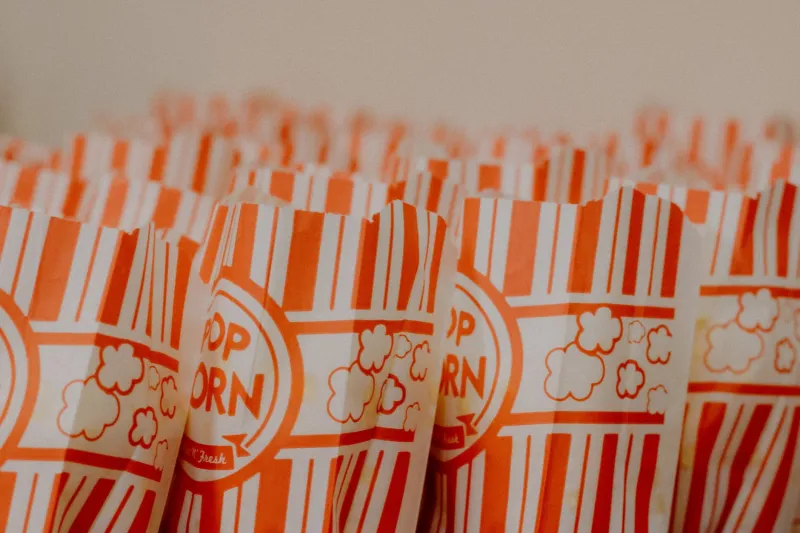
The gym smells like popcorn and floor polish. Down on the court, two fifth-grade teams are trading buckets in a game that means everything to the twelve kids in uniform. Up in the corner, behind a folding table with a cash box and a coffee urn, Diane Molina is running the real engine of this league.
By the third quarter she'll have moved roughly sixty bags of chips, four dozen candy bars, and enough sports drinks to hydrate a small marathon. By the end of the season, her Saturday shifts will have covered the referee fees for an entire month.
Nobody puts her on a poster for that. Maybe they should.
The Math Nobody Talks About at Sign-Up
When parents pay a registration fee — say, $125 per player — most assume that covers the season. In a lot of leagues, it barely covers the start.
We spoke with treasurers from three community leagues across the country, and their budgets rhyme no matter the zip code. Gym rental runs anywhere from $60 to $150 an hour, depending on whether you're in a small town with a generous rec department or a metro area where school districts charge like it's Madison Square Garden. Referees need paying, usually $30 to $60 per game, per official. Insurance is non-negotiable and not cheap. Then come jerseys, scoreboards, first aid kits, and the quiet killer: replacement equipment.
One treasurer in Ohio told us her league's registration fees covered about 70% of a season's expenses. The other 30%? "That's the snack bar, the raffle, and honestly, the same five people writing personal checks every year," she said.
The Popcorn Margins Are Real
Here's the thing about concession economics: the margins are absurd, in a good way. A case of bottled water costs the league maybe $5. Sell it at $2 a bottle and you've made the money back before the first quarter ends. Candy bought in bulk at a warehouse club can mark up 300% or more.
Multiply that across a Saturday slate of games, eight weekends in a row, and a well-run concession stand can clear $8,000 to $15,000 a season for a mid-sized league. That's real money. That's new uniforms. That's the reason the league didn't raise fees this year.
And it's not just snacks. Raffle baskets at tournament weekends. The dreaded car wash in the Walmart parking lot. Spirit night at the local pizza place, where 15% of the register goes back to the league. It's a patchwork economy, held together by volunteers and Venmo.
A Shift, a Cash Box, and a Lot of Heart
Ask concession volunteers why they do it and you get a range of answers. Some will tell you it's the only way they could afford to keep their kid in the league during a tight year — many organizations quietly trade volunteer shifts for reduced fees, no questions asked. Others just like being where the action is.
"I've watched three classes of kids grow up from behind that table," said one longtime volunteer in Georgia. "You see everything from up here. Who's a good sport. Which coach actually teaches. Who forgot their shoes."
There's a community function to the snack bar that goes beyond revenue, too. It's the de facto town square of the league. Parents who'd never otherwise meet end up splitting a shift, and suddenly the league has two more people willing to run the clock or organize the end-of-season party.
What Leagues Wish Parents Knew
If there's one message treasurers wanted us to pass along, it's this: that $3 Gatorade isn't a ripoff. It's infrastructure.
A few ways families can quietly make a difference:
- Buy from the stand, even occasionally. A $2 bag of chips is a vote for keeping fees down.
- Take a shift. Most leagues are chronically short on volunteers, and a two-hour slot flies by.
- Support the fundraisers — even just buying one raffle ticket makes the organizer's day.
- Say thank you. You'd be surprised how rarely the folks behind the counter hear it.
The Real Bottom Line
Youth basketball doesn't run on passion alone, even if passion is what you see on the court. It runs on gym rental invoices, insurance premiums, and a rotation of parents willing to miss a quarter of their own kid's game to keep the nacho cheese warm.
So the next time your child drops in a corner three at the buzzer, know that somewhere in the background, a volunteer just made change for a twenty — and that moment happened, in part, because they did.
The lights stay on. The jerseys get handed out. The season happens. And a lot of it starts at a folding table, next to a coffee urn, one bag of popcorn at a time.