Sunrise Sessions: What Really Happens in America's 5 AM Basketball Gyms (And What It Costs)
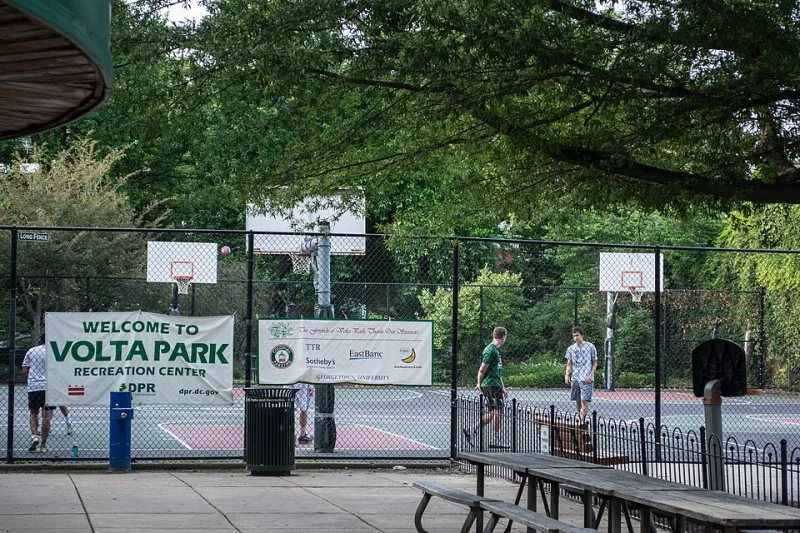
Photo: Tim Evanson, CC BY-SA 2.0, via Wikimedia Commons
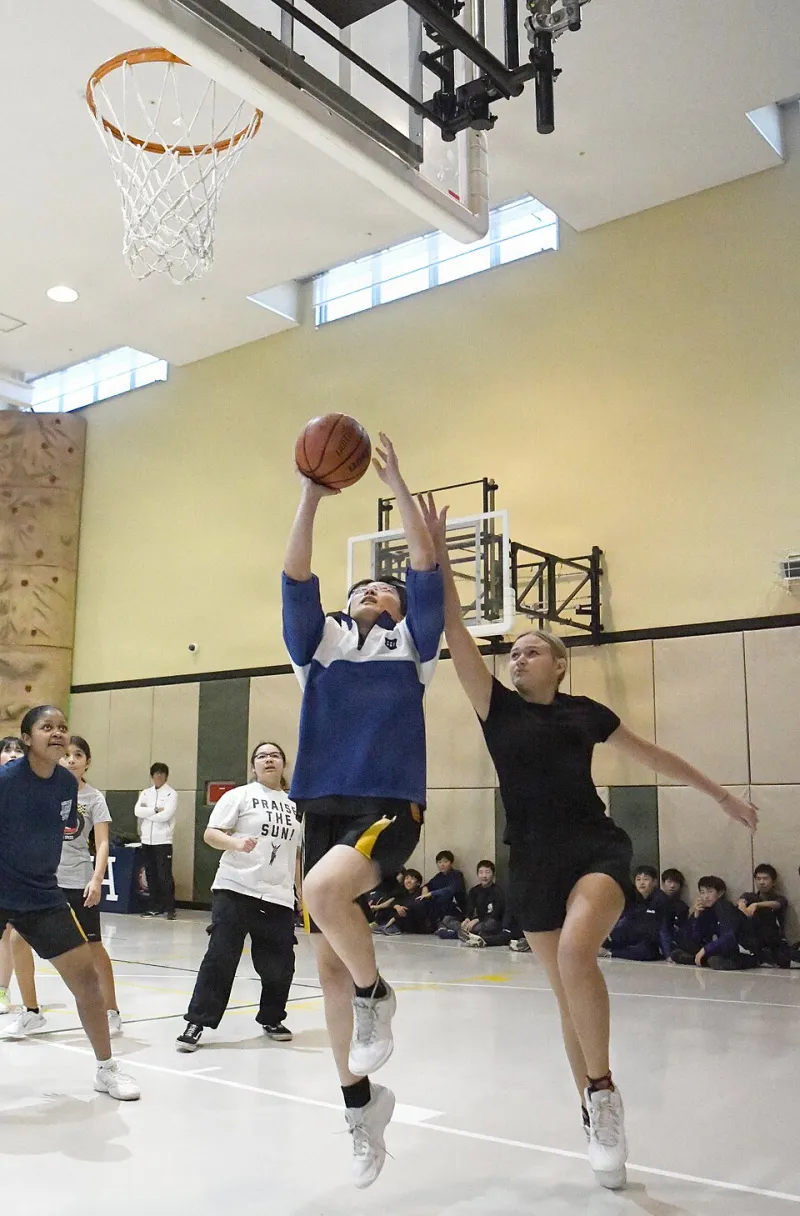
The gym smells like floor polish and Gatorade at 5:45 in the morning. The lights hum on one bank at a time, and somewhere between the second light bank and the first made jumper, a seventh grader from the local travel program is getting up 150 shots before homeroom.
If you've never been inside a dawn workout, you wouldn't know this world exists. But across suburban America — from the church gyms of suburban Dallas to the rec centers outside Chicago — it's become one of the fastest-growing corners of youth basketball. And it's worth asking what all this darkness-and-dribbling is actually producing.
The Rent Is Cheap and the Gym Is Empty
Here's the practical math that drives the whole phenomenon. Church and private gyms are wide open at 5 AM, and they rent for a fraction of what prime evening slots cost. A trainer who can't afford weekend court time at a busy fieldhouse can book Tuesday and Thursday mornings at a steep discount — sometimes $30 to $50 an hour versus $100 or more in the afternoon crunch.
That savings gets passed down, sort of. Small-group sessions at dawn often run $25 to $40 per kid, cheaper than the $60-plus private hours that fill up weeknights. For trainers, mornings are also a scheduling superpower: school ends at 3, club practice starts at 6, and the only open window is the one before the bell rings.
"I built my whole business on mornings," one trainer in the Atlanta suburbs told us. "Parents want the slots because nothing conflicts. Kids are fresh. And honestly, nobody's scrolling their phone at 5:30 AM."
The Pajama Carpool Is Real
Talk to the parents, and the picture gets more complicated — and a lot funnier.
The carpool culture around dawn workouts has developed its own unofficial dress code: slippers, hoodies, blankets in the passenger seat. Kids do homework in the car on the way to the gym and eat breakfast in the parking lot after. One mom in the Phoenix area described her routine as "a two-hour commute for a 45-minute workout," and she wasn't complaining — she was bragging.
The financial commitment adds up fast. Between session fees, gas, and the occasional post-workout breakfast run, families we spoke with estimated spending anywhere from $200 to $500 a month on pre-dawn training alone. That's on top of club dues, gear, and travel tournaments.
And yet the waitlists are long. When we asked why, the answers weren't really about basketball. Parents talked about discipline, about kids learning that nothing good happens without sacrifice, about keeping them busy during hours that could go to screens. One dad put it plainly: "I'd rather he be tired from shooting free throws than rested from TikTok."
Do Dawn Workouts Actually Work?
This is where the honest answer is: it depends, and anyone selling you certainty is selling something.
The case for mornings is legitimate. Sleep research does suggest athletes are often physically fresher earlier in the day than after a full school day. Unguarded gym time means more reps per minute. And the focus level in a 5 AM session — when every kid there chose to be, or at least agreed to be — tends to beat the distracted evening crowd.
But there are real trade-offs. Pediatric sleep experts consistently recommend eight to ten hours for adolescents, and a 5 AM wake-up can make that math brutal for a kid who also has homework and a 9 PM lights-out. Chronic sleep debt doesn't make better athletes; it makes crankier ones. Coaches we spoke to could all name players whose early-morning grind showed up later as burnout, not breakthrough.
The trainers who last in this business seem to share a philosophy: the early session works when the kid wants it, not when the parent wants it for them. The difference between a 14-year-old dragging themselves to the gym resentfully and one who's genuinely chasing something is the whole ballgame — at 5:45 AM or any other time.
What the Kids Actually Say
Ask the players themselves and the reviews are surprisingly warm — with a caveat.
"It's hard to get up, but once I'm there it's the best part of my day," said one eighth-grade point guard, mid-session, between shooting drills. Several kids mentioned the same thing: there's something about accomplishing something hard before most people wake up that sticks with you. It's a confidence that shows up in tryouts and classrooms alike.
The caveat? Almost every kid we talked to mentioned the afternoon crash. Falling asleep in third period. Needing a nap after school. The grind is real on both ends of the day.
The Bottom Line for Families
If you're a parent wondering whether the dawn workout life is right for your player, here's the honest checklist from the people living it:
- Does your kid want it? Not you. Them. If they're not bought in, save the money and the sleep.
- Can the schedule protect sleep? Early bedtime isn't optional — it's the whole deal.
- Is it sustainable? Two mornings a week beats five if five leads to burnout by February.
- What's the actual goal? If it's development and love of the game, great. If it's a scholarship, pump the brakes — the odds haven't changed just because the alarm has.
The 5:45 AM gym isn't going anywhere. As long as courts are cheap at dawn and dreams are big, the lights will keep humming on before sunrise. The question each family has to answer isn't whether the grind works — it's whether it's the right grind for their kid. Sometimes the answer is yes. Sometimes the best development happens at a reasonable hour, in a driveway, with nobody watching.
Either way, the kids at the church gym at 5:45 will be there tomorrow, shooting in the dark, waiting for the lights to catch up.